


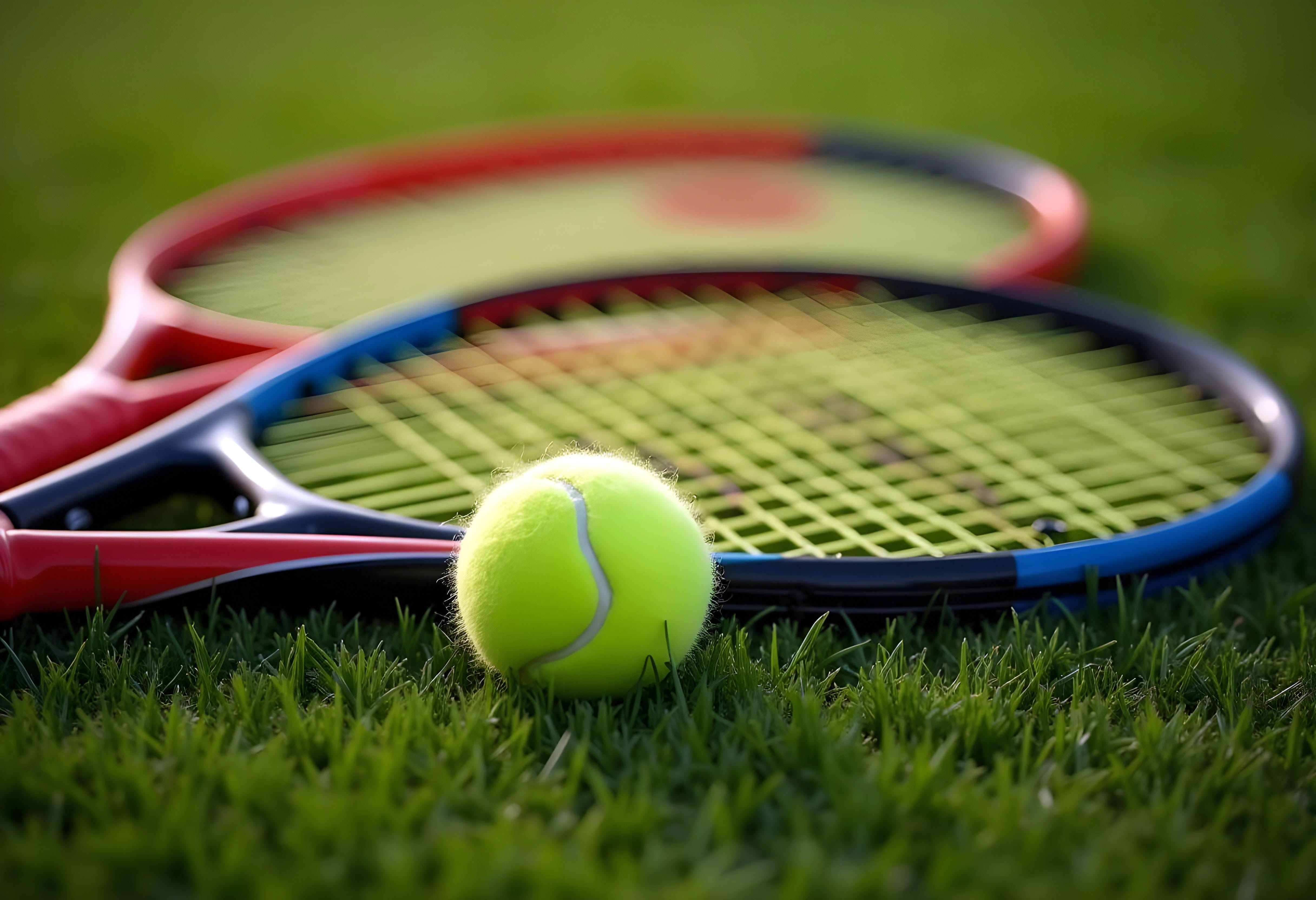
It’s not just a new tournament. It’s a cultural shift.
Starting in 2028, Italy will host an ATP grass-court event for the first time. An ATP 250 that will be created from the relocation of the Brussels tournament and placed in the calendar in June, in the weeks between Roland Garros and Wimbledon.
The most likely host city is Milan, although this has not yet been fully confirmed.
But the point is not where it will be played.
The point is why it changes everything.
For decades, Italian tennis has been one thing: clay. Not just as a surface, but as an identity. Clubs, player development, even the way the game was understood — everything revolved around the red clay. Even as global tennis evolved, Italy remained faithful to that tradition.
The arrival of grass breaks that pattern.
This is not simply an additional tournament, nor just a calendar decision. It’s a signal. It reflects the intention to complete a system that, until now, has been very strong — but incomplete. First Rome, with its clay Masters 1000. Then Turin, with the indoor ATP Finals. Now grass. In other words: no longer specialization, but a complete vision.
Because grass, more than any other surface, changes the game. It shortens rallies, rewards serve, imposes a different timing. It demands aggression, but above all adaptability. And historically, that has been one of the weaknesses of Italian tennis.
For years, Italian players arrived at Wimbledon with very little match play on grass, often without a real preparation context. It was a transition, not a true phase of the season. Now, instead, it could become part of the system.
And it is no coincidence that this decision comes now.
Italian tennis is living its best moment: a world number one, consistent presence at the top, and growing global interest. This is the stage where a system no longer just produces talent — it structures itself. It builds continuity. It creates an environment.
In this sense, grass becomes almost a necessary step.
If Milan is confirmed, as expected, even the choice of the city tells a story. Not only because of its infrastructure or international profile, but because of its positioning. A tournament there, immediately after Roland Garros, would automatically become a key stop on the road to Wimbledon. A transition point, just like Queen’s and Halle have been for years.